
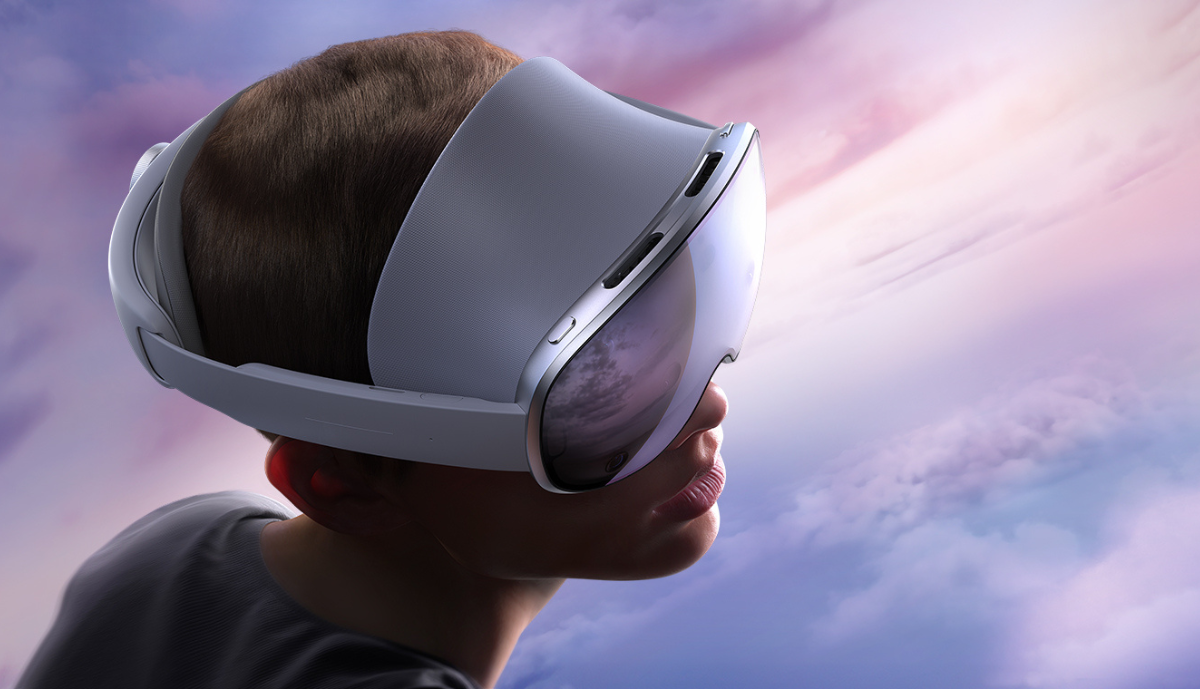
Back in the mid-2010s, Samsung co-developed Gear VR with Oculus, popularising phone-powered VR and helping seed the early VR developer ecosystem. Oculus eventually became Meta, pivoting to standalone headsets like Quest. In parallel, Samsung partnered with Microsoft on the Odyssey Windows Mixed Reality headsets.
Now Samsung is back with a new partner: Google. Galaxy XR runs Android XR with One UI XR, and has Gemini AI baked in. Yesterday’s collaborator (Oculus) is today’s competitor (Meta), and Android finally has a serious XR device to call its own.
 While Galaxy XR looks like a blend of Apple's Vision Pro and Meta’s Quest Pro, its big differentiator is deep integration with Gemini AI and Google services. That’s why the launch event was titled:
Samsung Galaxy Event: Worlds Wide Open — A New Era of Multimodal AI
This post covers the key specs and features, who the headset is for, why it matters, and how it sits in the new “headset tier” landscape.
Key specs and hardware
Galaxy XR is built as a mixed reality headset: full-colour passthrough, room-scale tracking, and XR‑optimised apps.
 Core hardware
-
Chipset: Qualcomm Snapdragon XR2+ Gen 2 XR platform
-
Memory & storage: 16 GB RAM, 256 GB storage
-
Displays: Dual micro-OLED panels, 3,552 × 3,840 per eye (around 27 million pixels total), with refresh rates of 60 / 72 / 90 Hz
-
Field of view: 109° horizontal FOV & 100° vertical FOV
-
Weight: About 545g for the headset (plus an external battery pack), noticeably lighter than many high-end rivals
Tracking & input
-
Eye-tracking & foveated rendering for performance and clarity
-
Full hand tracking and gesture input; you can navigate with your eyes and fingers without controllers out of the box
-
Controllers are supported but sold separately (not bundled with the base headset globally); they’re currently out of stock at 180by2, and we’ll notify customers as soon as they land
Platform & OS
-
Runs Android XR with One UI XR
-
Deep integration with Gemini AI for voice, vision, and context-aware help
Battery & comfort
-
External battery pack with around 2–2.5 hours of typical use
-
Weight is spread across forehead and back-of-head cushions, with an adjustable rear dial to fine‑tune fit
Gemini AI and Google services: where Galaxy XR leans in
Galaxy XR isn’t just “Android apps in 3D”. Google has threaded Gemini AI through the system so that AI can see what you see and act on it.
 A few headline examples:
-
Immersive Google Maps: Stand in 3D cityscapes, explore routes at life-size scale and combine with live directions.
-
Circle-to-search in XR: Look at an object, gesture around it, and let Gemini identify it, pull up details, or find where to buy it.
-
YouTube and Google Photos in space: Huge virtual screens, multi-view sports, and spatial galleries with Google Photos and YouTube content optimised for XR.
-
Gemini-style assistance: Ask natural questions about what’s on your screen or in your space; the assistant can explain, summarise, or guide you step by step.
Display quality and ergonomics
On paper, Galaxy XR actually beats the Vision Pro on total pixel count, though Apple still leads on overall software polish and motion smoothness.
Early hands-on reports converge on a few themes:
-
Displays are sharp, bright and colourful, excellent for video, sports and media.
-
At 545g, many reviewers find it noticeably lighter and easier to wear longer than some other premium headsets, helped by the external battery and forehead-heavy balance.
-
Comfort opinions are mixed: some love the low weight and padding; others report face-gasket angles that cause light leakage or pressure points depending on head shape.
 We’re waiting on our demo units to run our own tests. If comfort is a big deciding factor for you, we recommend:
-
Checking multiple sources for a broader view.
-
Waiting for our in-house review if you’re not in a rush to buy.
Pricing
At 180by2, the Galaxy XR Silver Shadow is currently listed at R47,699, a pretty penny, but a far cry from the Vision Pro’s starting price of R109999.
Samsung and Google are also offering an “Explorer Pack” to early buyers in many regions, a bundle of subscriptions and XR content worth over R18,000 if you purchase within the promo window (before December 31st 2025).
Typical inclusions (region-dependent) are:
-
12 months of a Google AI Pro subscription
-
YouTube Premium
-
Google Play Pass
-
A full season of NBA League Pass
-
Access to a set of featured XR titles and trials
Who should consider Galaxy XR?
-
Android/Google households
If you live in Google Photos, YouTube, Maps and Chrome – and especially if you already use a Samsung phone – Galaxy XR is the most natural "put Android on your face" option. You get 4K‑class displays, eye tracking, foveated rendering and sharp passthrough, without switching to Apple. -
Professionals who want premium optics without Vision Pro pricing
For designers, media teams and XR-curious companies, Galaxy XR offers excellent display quality and respectable comfort at about half the Vision Pro price, plus Android XR dev support and enterprise-friendly tools. -
Curious early adopters
If you want to explore where Android XR + Gemini is going over the next few years – and you’re comfortable living through first-gen software quirks (tracking bugs, limited XR-native apps) – Galaxy XR is the right kind of experimental purchase.

Headset tiers: picking the right ecosystem
A little guide to help new VR users choose between the major headset manufacturers.
|
Tier |
Device |
Best for |
Strengths |
Trade-offs |
|
Value |
First headset, fitness & gaming, creators on a budget |
Big content library, easy setup, best value |
Optics & power below the premium class |
|
|
Mid-tier |
Android users, MR utility, premium feel |
Google services, Samsung displays/comfort, Gemini AI |
Launch XR library still growing |
|
|
High-end |
Pro users, spatial productivity & cinema |
Best-in-class displays, polished UX, seamless Apple integration |
Highest price; Apple-centric hardware + ecosystem |
Buying tip: choose based on what you’ll actually use weekly (apps and workflows), not just spec sheets.
FAQ
Is Galaxy XR a Vision Pro competitor?
Yes, in that both target premium mixed reality. In practice, Galaxy XR sits in the mid-tier, undercutting Vision Pro on price while trying to compete on displays, comfort and AI features. Vision Pro still leads on the overall polish and pro-app ecosystem.
How does it compare to Quest?
Quest still wins on library depth and pure value. Galaxy XR wins on display quality, Google services integration, and AI-first design. Choose Quest if you mainly want games/fitness; choose Galaxy XR if you care more about media, productivity and Android integration.
Can I use it for work?
Yes. MR whiteboarding, reference dashboards, 3D model review, spatial YouTube/Docs, and remote meetings are all expected use cases. Android XR also supports WebXR and OpenXR, which should make it attractive for developers and enterprises over time.
Ready to explore Galaxy XR?
